
In today’s increasingly digital world, it’s easy to overlook the importance of organizing and managing our important papers. However, having a well-structured system for storing and accessing essential documents is crucial for maintaining order, ensuring efficiency, and providing peace of mind. In this blog post, we’ll delve into effective strategies and expert tips for how to organize your important papers, enabling you to find what you need when you need it. Let’s get started!
Stay tuned for more in this Life Skills Series. I will cover everything from personal skills, health and safety, physical habits, vehicle maintenance, home skills, professional skills, and financial skills. If you missed the first post, check out the information on how to use a calendar/schedule here. Today we will cover: how to organize important papers. Let’s get started!
You can get my free printable Life Skills Checklist for you to download and print from home. It is a digital product and will be delivered instantly to your email for you to download and print from your device.
Do you know which important papers you should always have available? If you don’t, you will appreciate my free printable personal records checklist to help keep you organized.
You can find that Free Personal Records Printable Checklist here.
How to Organize Important Papers: Life Skills Everyone Should Master
Step 1: The Importance of Organizing Your Important Papers
Organizing your important papers offers numerous benefits, including:
- Time and Stress Savings: A well-organized system allows you to quickly locate and retrieve necessary documents, saving you from the frustration of rummaging through stacks of papers and reducing stress.
- Financial and Legal Preparedness: Organized documents facilitate financial planning, tax preparation, and legal matters. It ensures you have everything in order for important events like tax season, loan applications, or legal proceedings.
- Enhanced Security: Proper organization helps protect sensitive information and important documents from loss, damage, or unauthorized access. I recommend a locked fire-proof safe.
Step 2: Strategies for How to Organize Important Papers
Let’s explore effective strategies for organizing your important papers:
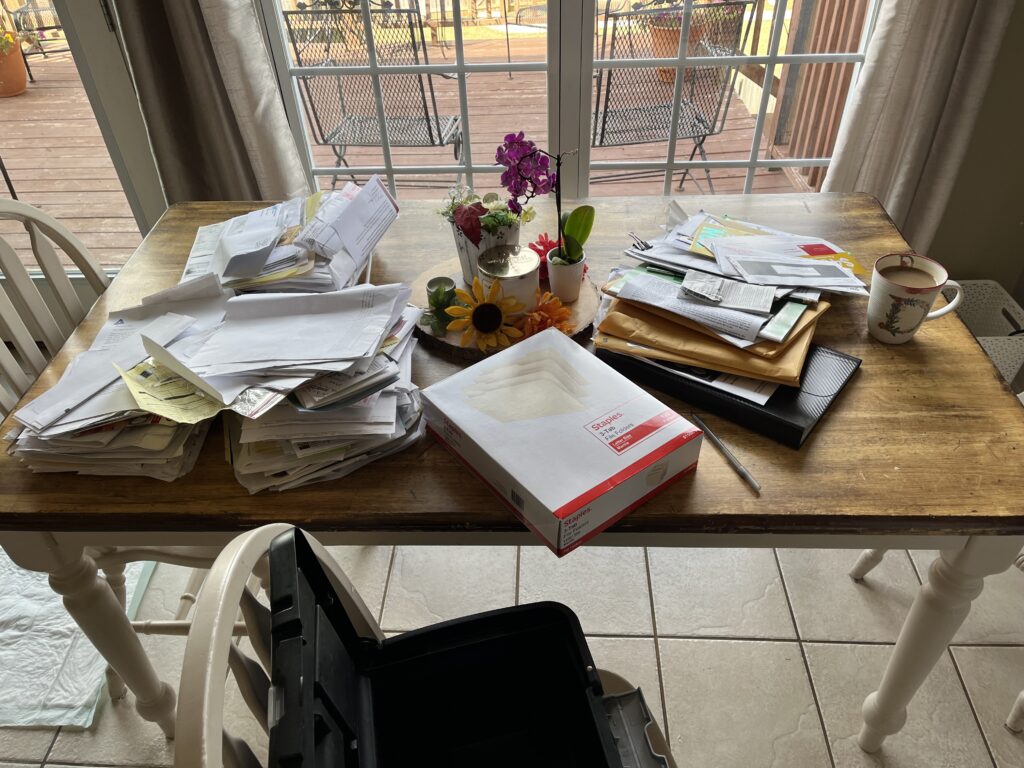
- Assess and Sort: Begin by gathering all your important papers and sorting them into categories such as financial, legal, personal, medical, and household. This initial step provides a clear overview of what documents you have and enables you to establish appropriate categories.
- Create a Filing System: Choose a filing system that suits your needs, whether physical or digital. For physical files, consider using labeled folders, file cabinets, or binders. Digital options include cloud storage services or document management software.
- Label and Categorize: Clearly label each folder or digital folder with a descriptive name related to the category or document type. This makes it easy to locate specific papers quickly. Consider using subcategories or color-coding for further organization and ease of access.
- Prioritize and Archive: Regularly review your documents and determine which ones are most important or frequently accessed. Keep these easily accessible while archiving older or less frequently used documents in a separate storage area, whether physical or digital.
Step 3: Embracing Digital Solutions for Document Management
In today’s digital age, leveraging technology can significantly enhance your document management process. Consider the following digital solutions:
- Scanning and Digitizing: Convert physical documents into digital format by scanning them. Utilize a scanner or mobile scanning apps to create high-quality digital copies. Save them in a dedicated folder on your computer or cloud storage. If you are tired of paper altogether, check out my post on Digital Decluttering: A Complete Guide. I’ll walk you through the steps to go paperless and keep your files digitally. However, there are some papers you should always keep a paper copy of such as: birth certificate, marriage certificate, Social Security cards, retirement accounts, life insurance documents, will and powers of attorney, to name a few. If in doubt, do NOT toss it out.
- Cloud Storage and Online Platforms: Store your important documents securely in the cloud using services like Google Drive, Dropbox, or Microsoft OneDrive. These platforms provide easy access from any device and offer robust security measures to protect your files.
- Document Management Software: Consider using document management software that provides features like document indexing, keyword search, and version control. These tools streamline document organization and retrieval in a digital environment.
- Back up Regularly: Ensure you have a reliable backup system in place for your digital files. Regularly create backups on external hard drives or utilize cloud backup services to prevent data loss. Check out this info on 5 Ways to Back up Your Data here.
Organizing your important papers is a vital step towards maintaining order, efficiency, and peace of mind in your personal and professional life. By implementing the strategies and tips discussed in this blog post, you can establish an effective filing system, whether physical or digital, and ensure easy access to your important documents whenever you need them. Embrace the power of organization, and reap the benefits of a streamlined and stress-free approach to document management. Once you learn how to organize your important papers, be sure to let someone you trust know the location of the papers in the event of an emergency. If there is a key to a safe or a key code, entrust someone with this info should they need it.
Recent Comments