
Pregnancy is a time of joy and anticipation, but it also comes with a heightened awareness of the environment around you. One aspect that often raises concerns for expectant mothers is the use of cleaning products. With a myriad of options available in the market, it’s essential to make informed choices to ensure the safety of both the mother and the developing baby. Today, let’s answer the question: Which Cleaning Products are Safe for Pregnant Women?
f you are new to the blog, welcome! I blog about cleaning, decluttering, and organizing. You can find more free printables to help you get organized in the drop down menu under the Printables category.
You can get your printable Daily Housekeeping Routine and Cleaning Checklists here. This 15 page printable kit is delivered digitally to your email for you to print and personalize.
It includes a daily schedule, calendar pages, and deep cleaning checklists for every room and area of your home.
Now, let’s answer the question: Which Cleaning Products are Safe for Pregnant Women?
Which Cleaning Products are Safe for Pregnant Women?
The Importance of Choosing Safe Cleaning Products
Many conventional cleaning products contain a variety of chemicals that may not be ideal for use during pregnancy. Exposure to certain substances found in these products has been linked to potential risks for both maternal and fetal health. Therefore, it becomes crucial to opt for alternatives that are gentler, eco-friendly, and free from harmful chemicals.
Key Considerations for Pregnant Women: Which Cleaning Products are Safe for Pregnant Women?
1. Avoid Harsh Chemicals:
Look for cleaning products that are free from harsh chemicals such as ammonia, bleach, and strong solvents. These chemicals can release fumes that may be irritating and, in some cases, harmful when inhaled.
2. Opt for Natural Ingredients:
Natural cleaning products, often made from ingredients like vinegar, baking soda, and essential oils, can be excellent alternatives. They are effective at cleaning and are generally safer for pregnant women.
3. Check for Volatile Organic Compounds (VOCs):
VOCs are compounds that can vaporize into the air and may have adverse health effects. Choose cleaning products labeled as low or zero VOC to minimize exposure.
4. Read Labels Carefully:
Take the time to read product labels and avoid those with ingredients that are difficult to pronounce or understand. If a product doesn’t provide a clear list of ingredients, it might be better to skip it.
Safe Cleaning Alternatives: Which Cleaning Products are Safe for Pregnant Women?
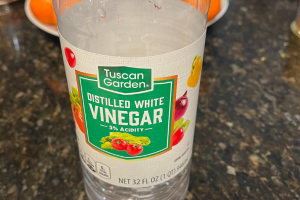
1. White Vinegar:
White vinegar is a versatile and safe cleaning agent. It can effectively clean surfaces, glass, and even act as a fabric softener in the laundry.
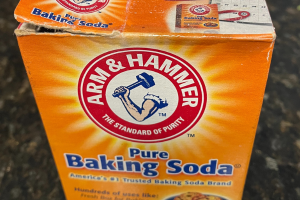
2. Baking Soda:
Baking soda is a gentle abrasive that works well for scrubbing surfaces. It also helps neutralize odors and can be combined with other natural ingredients for added cleaning power.
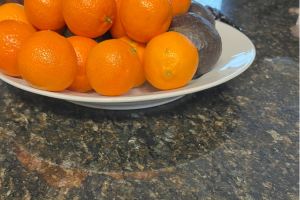
3. Citrus-based Cleaners:
Citrus-based cleaners, derived from natural citrus extracts, provide a fresh and pleasant scent while effectively cleaning various surfaces.
4. Essential Oils:
Some essential oils, such as tea tree oil and lavender oil, have natural antibacterial properties. They can be diluted and used for cleaning purposes.
Pregnancy is a time to prioritize health and well-being. Which Cleaning Products are Safe for Pregnant Women? Natural ones are best. By making conscious choices about the cleaning products you use, you can create a safer environment for both yourself and your baby. Consider opting for natural, chemical-free alternatives to ensure a clean and healthy home during this special time.
Remember, it’s always a good idea to consult with your healthcare provider if you have specific concerns or questions about the products you plan to use during pregnancy.
Recent Comments