
Welcome to our blog post on decluttering receipts! If you find yourself drowning in a sea of paper or digital receipts, struggling to differentiate between what’s important and what’s clutter, you’ve come to the right place. In this guide, we’ll help you navigate the overwhelming task of organizing your receipts by providing expert tips and practical strategies. Discover which receipts are worth keeping and which ones you can confidently discard, ensuring an organized and clutter-free financial life.
Welcome to my Year Long Thorough Declutter Series. We declutter 30 minutes a day, 5 days a week. Each day we do a daily task based on the room we are working on. Today, our task is to start decluttering your clutter in your home office. If you prefer watching videos, check out my youtube channel here. Today, we’ll look at decluttering your receipts in your home office.
The best way to develop a new habit is by slowly and daily application. We will begin a new daily declutter habit starting with the 2nd bathroom. In the Year Long Thorough Declutter Series, we will declutter 30 minutes a day, five days a week on weekdays. Sign up to receive daily encouragement and motivation.
Plus, you’ll learn your specific daily task to work toward completing the goal of a Year Long Thorough Declutter where you will declutter every space and learn how to start to purge your house. Are you ready to finally get organized? If so, will you join us? Leave a comment below to subscribe.
If you are new to the blog, welcome! I blog about cleaning, decluttering, and organizing. You can find my free printables to help you get organized in the drop down menu under the Printables category.
Currently we are working on decluttering the Home Office. The daily task for today, June 5, 2023, is to begin decluttering your receipts. Remember, we are focusing on just the Home Office area, so don’t declutter your whole house. We will cover each room separately.
Decluttering Receipts: What to Keep vs. What to Toss
The Importance of Decluttering Receipts: Why is decluttering receipts important?
Decluttering receipts is important for several reasons:
- Space Optimization: Receipts, whether physical or digital, can accumulate quickly and take up valuable space in our homes or electronic devices. Decluttering receipts helps free up physical space and reduces digital clutter, making it easier to stay organized and find important documents when needed.
- Streamlining Financial Records: Keeping track of receipts is essential for maintaining accurate financial records. However, holding onto every single receipt can lead to overwhelming stacks of paper or cluttered digital folders. By decluttering receipts, you can focus on organizing and storing the ones that truly matter, making it easier to review expenses, track budgets, and prepare for tax season.
- Efficient Expense Tracking: Receipts serve as evidence of your purchases and can be invaluable for expense tracking. By decluttering and organizing your receipts, you can easily identify and categorize expenses, helping you gain insights into your spending habits and make more informed financial decisions.
- Tax Preparation: Receipts play a crucial role during tax season. Keeping the necessary receipts ensures you have the documentation required for deductions, credits, and potential audits. By decluttering and organizing your receipts, you can easily locate the ones relevant to your tax filing, saving time and minimizing stress during tax preparation.
- Warranty Claims and Returns: Some receipts are essential for warranty claims or returning items. By decluttering and keeping the relevant receipts, you can ensure you have the necessary proof of purchase to protect your rights as a consumer and facilitate hassle-free returns or repairs.
- Reduced Stress and Clutter Overwhelm: Living in a cluttered environment can contribute to stress and a feeling of being overwhelmed. By decluttering receipts, you can create a more organized and visually pleasing space, promoting a sense of calm and making it easier to focus on other important aspects of your life.
Overall, decluttering receipts helps optimize space, streamline financial records, and simplify your financial life. It allows you to stay organized, track expenses effectively, and access important documentation when needed. By making conscious decisions about which receipts to keep and which ones to discard, you can create a clutter-free environment that supports your financial goals and peace of mind.
Decluttering Receipts: Which essential receipts to keep:
Here are some essential receipts that you should consider keeping:
- Tax Deductible Expenses: Receipts for expenses that may be tax-deductible should be retained. This includes receipts for charitable donations, business expenses, medical expenses, education-related expenses, and home improvement costs. These receipts serve as proof of your expenditures and can help you maximize your deductions when filing your taxes.
- Major Purchases: Receipts for significant purchases, such as electronics, appliances, furniture, or jewelry, should be kept. These receipts serve as proof of ownership and can be important for warranty claims, insurance purposes, or potential returns or exchanges.
- Home Improvement and Maintenance: Receipts related to home improvement projects, repairs, or renovations should be kept. These receipts can be useful when calculating the cost basis for your home for tax purposes or when selling the property in the future.
- Expensive Items or Collectibles: Receipts for valuable items, such as artwork, antiques, or collectibles, should be retained. These receipts can establish the value of the items for insurance purposes, estate planning, or potential sales.
- Professional Services: Receipts for professional services, such as legal fees, accounting services, or medical treatments, should be kept. These receipts can be important for expense reimbursement from insurance companies, employer reimbursement programs, or for tracking medical expenses for tax deductions.
- Business Expenses: If you are self-employed or a business owner, keeping receipts for business-related expenses is crucial. These receipts can be used to track business expenses, claim tax deductions, or provide documentation for client billing.
- Receipts for Warranties and Guarantees: Any receipts that include warranty or guarantee information should be retained. These receipts will be necessary if you need to make a warranty claim or exercise your consumer rights.
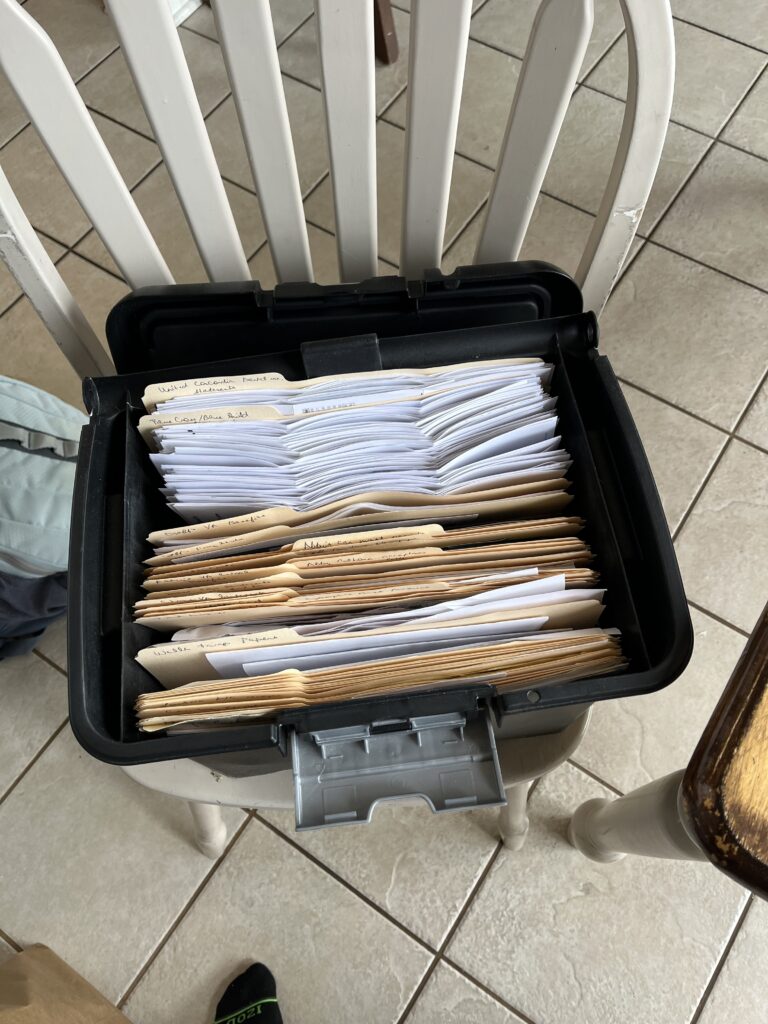
Remember, it’s important to keep these receipts in an organized manner, either physically in labeled folders or digitally in a dedicated folder or software. Regularly review your collection of receipts and dispose of those that are no longer needed or relevant to avoid unnecessary clutter.

Decluttering Receipts: Receipts You Can Safely Toss
Here are some types of receipts that you can safely consider tossing:
- Low-Value Purchases: Receipts for small, everyday purchases with no significant value or future implications can usually be safely discarded. Examples include receipts for coffee, snacks, or inexpensive household items.
- Routine Expenses: Receipts for routine expenses that do not require further documentation or reimbursement, such as utility bills, monthly subscriptions, or regular grocery purchases, can often be disposed of once you have reviewed and reconciled them with your records.
- Non-Tax-Deductible Expenses: Receipts for expenses that are not tax-deductible and do not have any potential financial or warranty implications can generally be discarded. This includes receipts for personal entertainment, general clothing purchases, or personal care items.
- Cash Withdrawals: Receipts from ATM cash withdrawals or bank transactions where no additional information is needed can usually be safely discarded, unless you require them for specific record-keeping purposes.
- Non-Returnable Items: Receipts for items that are non-returnable or not eligible for refund or exchange, such as consumables or certain services, can often be safely discarded once you have verified the accuracy of the transaction.
- Expired Warranties: Receipts for items whose warranty period has expired or items that you no longer own can generally be safely discarded. However, it is advisable to keep receipts for high-value items until their warranties expire.
Remember, before discarding any receipts, it’s essential to review them carefully and ensure they don’t have any relevance to your financial records, warranties, or potential returns. If in doubt, consider scanning or digitally archiving receipts to minimize clutter while retaining a digital copy for future reference. Additionally, it’s always a good idea to consult with a tax professional or financial advisor for specific guidance on which receipts to keep based on your individual circumstances.
Decluttering receipts is an essential step towards maintaining an organized financial life. By knowing what to keep and what to toss, you can simplify your space, streamline your records, and reduce the overwhelming clutter. Follow the tips and strategies outlined in this comprehensive guide to embark on a clutter-free journey that will save you time, space, and unnecessary stress. Start decluttering today and experience the freedom of an organized financial world.
Check out my post here on HOW TO ORGANIZE RECEIPTS.
If you are tired of paper altogether, check out my post on Digital Decluttering: A Complete Guide. I’ll walk you through the steps to go paperless and keep your files digitally.
I personally have a bad habit of placing items that need to be donated in the laundry room behind the door. Out of sight, out of mind, right? Wrong. Delaying decisions means we still need to declutter.
Maybe you have a habit of delaying decisions, too. Let’s decide today where your decluttered items need to go. Do they need to be donated? Disposed of? Don’t delay that decision any longer. If they need to be donated, sort and put them in your vehicle. Then, make a note in your calendar to drop them off at your favorite charity.
As you are decluttering your items, I want you to try not to just move them to another room. You may be tempted to do that. However, resist the urge to keep everything. Decluttering means we actually part with these items. Otherwise, assign those items a permanent home where you can best utilize them.
How to Begin Decluttering Receipts
1.Only spend time on your specific daily task.
2.Do not get side-tracked or distracted.
3.Work within a time of day that you have the most energy and stamina. This is one of the most useful declutter motivation tips. Listen to your body and work at decluttering when you feel the most alert and energized.
4.Avoid thinking too long about whether to keep or discard an item. This is one specific way for How to Be Ruthless When Decluttering.
5.Avoid cleaning during your declutter. The goal is to purge the dead weight. Getting rid of the clutter is your priority. Cleaning can be accomplished later. Read on for more declutter motivation tips and my room specific deep clean checklist, though, as you will begin cleaning after your declutter.
How to Start Decluttering Receipts
Supplies Needed:
1. boxes -preferably ones you can donate (Avoid plastic storage bins because you may be tempted to just store the items and not part with them.)
2. sturdy trash bags
3. marker/pen to label boxes
Decluttering Tip: Avoid using storage bins to declutter. Storage bins tend to tell your brain to “store” the items for later. That is just delaying decisions. If you aren’t getting rid of items when you declutter, you are not truly decluttering. This is why I recommend a trash bag, also. A trash bag tells your brain to “trash” the item.
Obviously, recycle if you have that option. The boxes you use should be ones you are willing to part with, so I recommend sturdy cardboard boxes. As to donations, there are many charities that will come pick up your items for you at your home.
I use one in particular where you can book an appointment for pick-up online. This is so convenient, as it saves you the hassle of hauling stuff away yourself. Scheduling that pick-up also motivates you to declutter by a certain date.
Steps for Decluttering Receipts
1. Start by eliminating trash first- use a sturdy trash bag
2. Sort items by category if needed so you can see what you have
3.Get rid of items that don’t work or that work poorly, expired items, anything you don’t love, anything that you’ll never use again
4. Box up the donations and trash/recycle the rest
5.Select a charity to donate your items and schedule the pick-up if that is an option

How Do You Declutter Your Entire House (and get it deep clean?): Need to deep clean?
First, My How to Deep Clean Your Kitchen list can be found here.
Second, My How to Deep Clean Your Bathroom list can be found here.
Third, My How to Deep Clean Your Kids’ Rooms list can be found here.
Fourth, My How to Deep Clean Your Living Room list can be found here.
Fifth, My How to Deep Clean Your Bedroom list can be found here.
You can get your printable Daily Housekeeping Routine and Deep Cleaning Your House Schedule here. This 15 page printable kit is delivered digitally to your email for you to print and personalize. What Does a Deep Clean Include? It includes a daily schedule, calendar pages, and deep cleaning checklists for every room and area of your home. Check out the link above to see a sample page of what you’ll get in my printable set designed to help you create your personal Homemaking Checklist.
Also, you can get the complete digital printable copy of the Year Long Thorough Declutter Series Calendar and Checklists here. The printable digital download is delivered to your email. It includes 25 pages of printable calendar pages and checklists to help you declutter every room in your home. You can find that here.
New to deemiddleton.com and don’t know where to start? I recommend going in this order:
Step 1: Check out this post on the 1st step you should take to get organized. If you don’t have a calendar, you can grab my free weekly printable calendar page here. It is in my shopify store, but it is totally free, so you won’t be prompted to put in any payment information. It is a free download and will be delivered straight to your email.
Step 2: Create a daily Housekeeping Schedule. You can use this series to start to set up your own schedule. You can also use this simplified weekly schedule.If you often ask: What is the fastest way to clean a dirty house? Or, if you struggle to get organized and have tried and failed time and again, you can likely find out which of these 11 reasons cause you to fail to get organized.
Step 3: How do you remove clutter? How Do You Declutter Your Home?.…Sign up for the Declutter Series and get your entire home decluttered in just 30 minutes a day, 5 days a week.”Declutter Your Home” checklists are provided in each email.
Step 4: What is the fastest way to clean a dirty house? Use a timer and use the Deep Cleaning Checklists above. They will help you get your home sparkling after you’ve decluttered.
Interested in becoming a full-time blogger like me? Check out my blogging series. At the top of every page on my blog, you’ll find a drop down menu. Just select the BLOGGING category.
Check out the most popular posts on deemiddleton.com:
14 Things That Make Your Home Look Cluttered
How to Create a Daily Housekeeping Schedule
How to Clean House When You Are Completely Overwhelmed By Clutter
What is Preventing You From Getting Organized?
Also, check out a great post on how to better organize your home office here.
Recent Comments