
Your HVAC (Heating, Ventilation, and Air Conditioning) system plays a crucial role in maintaining a comfortable and healthy indoor environment. Regular maintenance is key to ensuring that your HVAC system operates efficiently, lasts longer, and keeps your energy bills in check. While some maintenance tasks require professional assistance, there are several DIY HVAC maintenance tasks you can easily handle yourself. In this blog post, we’ll guide you through these simple yet effective maintenance steps to keep your HVAC system running smoothly.
If you are new to the blog, welcome! I blog about cleaning, decluttering, home maintenance, and organizing. You can find more free printables to help you get organized in the drop down menu under the Printables category. You can find my Free Printable Home Maintenance Record here. Also, you can read my Seasonal Home Maintenance Checklists here. Today, we will look at some DIY HVAC maintenance tasks you can do yourself.
DIY HVAC Maintenance You Can Do
- Change Air Filters Regularly
One of the simplest and most important DIY HVAC maintenance you can do is changing your air filters regularly. A clogged or dirty air filter can obstruct airflow, causing your system to work harder and less efficiently. It can also lead to poor indoor air quality. Check your air filter monthly, and replace it every 1-3 months, depending on usage and the type of filter you have. This simple step can help maintain good air quality and reduce strain on your HVAC system.
- Clean Vents and Registers
Over time, dust and debris can accumulate in your vents and registers, reducing airflow and indoor air quality. Use a vacuum cleaner with a brush attachment to remove dust and dirt from these areas. Keeping them clean ensures better airflow and heating or cooling distribution throughout your home.

- Inspect and Clean the Condenser Unit
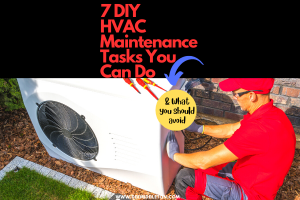
If you have a central air conditioner, it has an outdoor condenser unit. Periodically inspect this unit and clear away any debris such as leaves, grass, and dirt. Trim back vegetation that may be encroaching on the unit. Ensure that the condenser fins are clean and straight for efficient heat exchange. You can use a garden hose to gently rinse off the fins, but be cautious not to use high pressure, which could damage them.
- Check and Clean the Evaporator Coil
Another DIY HVAC maintenance task you can do is to keep the unit clean. This is especially important if you regularly mow around the unit or if you have lots of trees or brush near the unit. For central air conditioning systems, the evaporator coil is located in your indoor air handler unit. Check it for dust and debris buildup. If you notice dirt, carefully clean it using a soft brush or a coil cleaning solution. You can spray it with a water hose, but never use a pressure washer. Make sure the power to the HVAC system is turned off before attempting any cleaning.

- Monitor Thermostat Settings
Your thermostat plays a significant role in the efficiency of your HVAC system. Ensure that it is calibrated correctly and programmed for optimal temperature settings. Consider upgrading to a programmable thermostat to save on energy costs by adjusting temperature settings when you’re not at home.
- Seal Duct Leaks
Leaky ducts can waste a significant amount of energy. Inspect your ductwork for any visible leaks, gaps, or loose connections. Seal these gaps with duct mastic or foil tape to improve system efficiency and save on energy costs.
- Regularly Check Refrigerant Levels
If you have a refrigerated air conditioner, ensure that the refrigerant levels are within the manufacturer’s recommended range. Low refrigerant levels can result in reduced cooling capacity and increased energy consumption. If you suspect a refrigerant issue, it’s best to consult a professional HVAC technician. While you can check for leaks yourself, unfortunately, adding freon is not a task you can do yourself unless you are an HVAC professional.
Can you add freon to your HVAC yourself?
Adding refrigerant, commonly known as Freon, to your HVAC system is not a DIY task and should only be performed by a qualified HVAC technician. Here are several reasons why you should not attempt to add Freon to your HVAC system yourself:
- Licensing and Certification: Handling refrigerants, including Freon, requires specific certifications and licenses because they are potentially harmful to both people and the environment. HVAC technicians are trained and licensed to handle these substances safely.
- Safety Concerns: Freon is a chlorofluorocarbon (CFC) or hydrochlorofluorocarbon (HCFC) refrigerant, and improper handling can lead to personal injury, including frostbite if it comes into contact with your skin, and exposure to toxic fumes if inhaled.
- Environmental Impact: CFCs and HCFCs have been found to be harmful to the ozone layer and contribute to global warming. Strict regulations govern the handling and disposal of these substances to minimize their environmental impact.
- Complexity: Adding refrigerant to an HVAC system is a complex process that involves precise measurements and equipment. It’s not as simple as topping off the refrigerant; technicians must ensure the system’s balance of refrigerant is correct to maintain optimal performance.
- Underlying Issues: Low refrigerant levels are often a symptom of an underlying issue in the HVAC system, such as a refrigerant leak. Simply adding more refrigerant without addressing the root cause can lead to recurring problems and may even damage the compressor.
If you suspect that your HVAC system is low on refrigerant or not cooling or heating correctly, it’s best to contact a licensed HVAC technician. They can diagnose the issue, repair any leaks, and properly recharge the system with the right type and amount of refrigerant. Attempting to do this yourself not only risks your safety and the environment but may also void any warranties on your HVAC equipment.
In summary, refrigerant-related tasks should always be left to trained and certified professionals who have the necessary knowledge and equipment to handle these substances safely and effectively. DIY attempts at adding refrigerant to your HVAC system can lead to safety hazards, environmental harm, and potential damage to your system.
Regular DIY HVAC maintenance is a cost-effective way to keep your system running efficiently and extend its lifespan. However, it’s essential to remember that some HVAC tasks, such as complex repairs or refrigerant-related issues, should be left to trained professionals. By following these simple maintenance steps and scheduling routine professional inspections, you can enjoy a comfortable and efficient HVAC system year-round while keeping your energy bills in check and ensuring excellent indoor air quality.

Recent Comments