
Flower gardening is one of the most rewarding hobbies you can start. A small garden bed, a few containers on a porch, or even a tiny patch near the mailbox can turn into a colorful space full of life. Let’s start with the flower gardening basics.
But when you first start learning about gardening, the terminology can feel overwhelming. Words like annuals, hardiness zones, and deadheading are commonly used in gardening guides with flower gardening basics, yet beginners often aren’t sure what they mean.
If you’re new to flower gardening, this guide will walk you through the most important gardening terms and concepts so you can understand plant labels, garden advice, and planting guides with confidence.
Check out my post on 25 Easy Flowers for Beginner Gardeners here.
Also, if birds are ruining your outdoor space, check out my post on How to Keep Birds from Nesting on Your Porch This Spring.
Flower Gardening Basics: Essential Terms Every Beginner Should Know
Annuals
Annual flowers are plants that complete their entire life cycle in one growing season.
This means they:
- Grow from seed
- Bloom
- Produce seeds
- Die
All within the same year.
Because of this short life cycle, annuals often produce lots of colorful flowers for months.
Examples of popular annual flowers include:
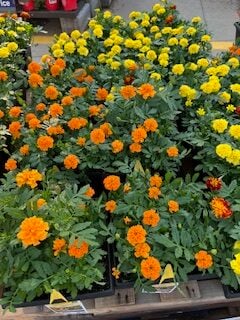
Pictured below is marigold flowers.
- Petunias
- Marigolds
- Zinnias
- Cosmos
- Impatiens
Why gardeners love annuals
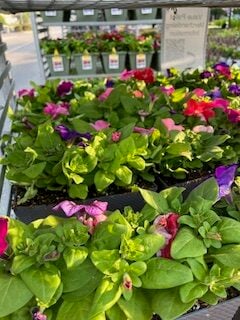
Pictured below are petunias.
- Long blooming season
- Bright, colorful flowers
- Great for containers and flower beds
- Easy for beginners
The downside is that you must replant them every year.
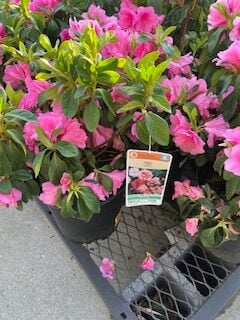
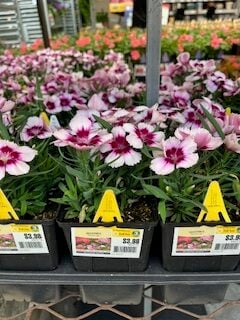
Pictured below is dianthus, an annual.
Perennials
Perennials are plants that live for multiple years instead of just one growing season.
Most perennials:
- Grow in spring
- Bloom for a few weeks or months
- Go dormant in winter
- Return the following year
Examples include:
- Daylilies
- Coneflowers
- Hostas
- Black-eyed Susans
- Peonies
Benefits of perennials
Perennials are popular because they:
- Come back every year
- Often grow larger each season
- Require less replanting
However, many perennials bloom for shorter periods than annuals, which is why gardeners often mix both types together.
Pictured below is dianthus, an annual.
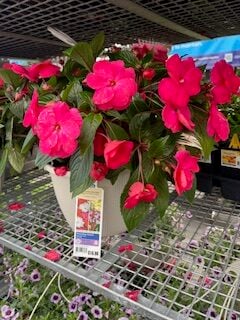
Pictured below are impatiens, an annual.
Biennials
Some plants fall between annuals and perennials.
Biennials take two years to complete their life cycle.
Typically they:
- Grow leaves in the first year
- Bloom in the second year
- Produce seeds and then die
Examples include:
- Foxglove
- Hollyhocks
- Sweet William
USDA Hardiness Zones
If you’ve ever looked at a plant tag and seen something like “Zones 7–10”, that refers to the USDA Plant Hardiness Zone Map. (You can find out the zone for where you live at this link.)
This system divides the United States into climate zones based on average winter temperatures.
The zones help gardeners know which plants can survive winter in their region.
For example:
- Northern states may be Zone 3–5
- Much of the Southeast is Zone 7–9
- Southern Florida may be Zone 10–11
If a plant is hardy to Zone 6 but you live in Zone 8, it will likely grow well where you live.
Understanding your zone helps you choose plants that will survive your local winters.
Full Sun, Partial Sun, and Shade
Another common label on plant tags describes how much sunlight a plant needs.
Full Sun
Plants labeled full sun need about:
6–8 hours of direct sunlight per day.
Examples include:
- Zinnias
- Roses
- Lavender
- Sunflowers
Partial Sun / Partial Shade
These plants prefer:
3–6 hours of sun daily
Often they do best with morning sun and afternoon shade.
Examples include:
- Hydrangeas
- Begonias
- Astilbe
Full Shade
Shade plants need very little direct sunlight.
They thrive in areas shaded by trees, buildings, or porches.
Examples include:
- Hostas
- Ferns
- Impatiens
Knowing the light conditions in your yard is one of the most important steps in successful gardening.
Deadheading
Deadheading simply means removing old or faded flowers from a plant.
Gardeners do this because it encourages many plants to:
- Produce more blooms
- Stay neat and attractive
- Extend the flowering season
For example, flowers like:
- Petunias
- Zinnias
- Marigolds
- Geraniums
These often bloom longer when deadheaded regularly.
Usually this is done by pinching or snipping the spent flower off the stem.
Pruning
Pruning means cutting back parts of a plant to improve its health or shape.
Gardeners prune plants to:
- Remove dead or damaged branches
- Encourage stronger growth
- Improve airflow
- Shape the plant
- Promote better flowering
Pruning is common for:
- Roses
- Shrubs
- Flowering bushes
- Perennial plants
The timing of pruning matters, so it’s always helpful to check the specific plant’s pruning recommendations.
Compost
Compost is decomposed organic material that enriches garden soil.
It’s made from natural materials such as:
- Vegetable scraps
- Coffee grounds
- Leaves
- Grass clippings
- Eggshells
- Plant trimmings
Over time, these materials break down into a dark, crumbly soil-like substance full of nutrients.
Adding compost to your garden helps:
- Improve soil structure
- Feed plants naturally
- Increase moisture retention
- Support beneficial microorganisms
Many gardeners consider compost “black gold” for the garden.
Mulch
Mulch is a protective layer spread over the surface of garden soil.
Common mulch materials include:
- Wood chips
- Bark
- Straw
- Pine needles
- Shredded leaves
Mulch helps:
- Retain soil moisture
- Prevent weeds
- Keep soil cooler in summer
- Protect plant roots in winter
Most flower beds benefit from 2–3 inches of mulch.
Well-Draining Soil
Many plants require well-draining soil, which means water does not sit around the roots.
Soil that drains well:
- Holds some moisture
- But allows excess water to flow away
Poor drainage can cause root rot, which is a common cause of plant death.
Adding compost or organic matter helps improve soil drainage.
Frost Dates
Gardeners often plan planting around frost dates.
These include:
- Last spring frost – the approximate last time frost occurs in spring
- First fall frost – the average first frost in autumn
Many flowers cannot tolerate frost, so gardeners wait until after the last frost date to plant them outdoors.
Germination
Germination is the process where a seed begins to grow and sprout into a plant.
Seeds typically need:
- Moisture
- Warmth
- Oxygen
- Sometimes light
Once germination begins, a tiny root and stem emerge from the seed.
Container Gardening
Not all flower gardens are planted in the ground.
Container gardening involves growing flowers in:
- Pots
- Window boxes
- Hanging baskets
- Raised planters
This method is great for:
- Small yards
- Patios
- Porches
- Apartment balconies
Many flowers grow beautifully in containers with the right soil, sunlight, and watering.
Flower gardening doesn’t have to be complicated. Once you understand the basic terminology, reading plant labels and gardening guides becomes much easier.
The key things to remember are:
- Choose plants suited to your USDA hardiness zone
- Pay attention to sunlight requirements
- Use healthy soil and compost
- Maintain plants with simple tasks like deadheading and pruning
With just a little knowledge and patience, you can turn even a small space into a beautiful flower garden.
And the best part is that gardening is a skill that grows with you—each season you’ll learn more and enjoy the process even more.
Recent Comments