
Starting your first flower garden can feel exciting—and a little overwhelming. With so many flower varieties, garden styles, and planting methods, it’s easy to wonder where to begin. The good news is that planning your garden step-by-step makes the entire process much easier. In this guide, we’ll walk through everything you need to consider for how to plan your first flower garden, from choosing the perfect location to selecting flowers that will thrive in your space.
Check out my post on 25 Easy Flowers for Beginner Gardeners here and this post here on Flower Gardening Basics: Essential Terms Every Beginner Should Know.
Why Planning Matters
Before digging in the soil, taking time to plan your flower garden can save you time, money, and frustration later.
A good garden plan helps you:
- Choose flowers that grow well in your climate
- Make the most of sunlight and space
- Avoid overcrowding plants
- Create a visually appealing layout
- Ensure continuous blooms throughout the season
Even a simple sketch and a short plant list can make a huge difference in how successful your garden becomes.
How to Plan Your First Flower Garden
Step 1: Choose the Right Location
The first step in planning a flower garden is selecting the best spot in your yard.
Sunlight
Most flowering plants need plenty of sunlight to bloom properly.
General sunlight categories include:
- Full sun: 6–8+ hours of direct sunlight
- Partial sun / partial shade: 3–6 hours of sunlight
- Full shade: less than 3 hours of direct sunlight
Pay attention to how sunlight moves across your yard throughout the day. A location that seems sunny in the morning might be shaded by afternoon trees or buildings.
Accessibility
Choose a location that is easy to reach with a hose or watering can. Gardens placed too far away from a water source often get neglected.
Visibility
Many gardeners enjoy planting flowers where they can be easily seen—such as:
- Along walkways
- Near the front porch
- Around patios or decks
- Along fences
Step 2: Understand Your USDA Growing Zone
Your USDA Hardiness Zone tells you which plants are most likely to survive winters in your region. The USDA Plant Hardiness Zone Map divides the United States into 13 zones, ranging from extremely cold northern climates to warm tropical regions.
These zones are based on the average minimum winter temperatures.
For example:
- Northern states may be zones 3–5
- Much of the Midwest is zones 5–7
- Southern states are typically zones 7–10
Choosing flowers suited to your zone helps ensure they thrive year after year.
If you’re unsure about your zone, the USDA provides an easy online lookup using your zip code.
Step 3: Test and Improve Your Soil
Healthy soil is the foundation of a successful flower garden. You can read more here about Understanding Soil Types for Flower Gardens.
Types of Soil
Most garden soil falls into one of these categories:
Sandy Soil
- Drains quickly
- Warms up fast in spring
- May need extra organic matter
Clay Soil
- Holds moisture well
- Can become compacted
- Benefits from compost to improve drainage
Loamy Soil
- Ideal for most plants
- Balanced drainage and moisture retention
Improving Soil Quality
You can improve almost any soil by adding organic matter such as:
- Compost
- Aged manure
- Leaf mold
- Peat moss
Mixing compost into the top 6–12 inches of soil helps plants establish strong roots.
Step 4: Decide on Your Garden Style
Flower gardens can be designed in many different ways depending on your personal style.
Cottage Garden
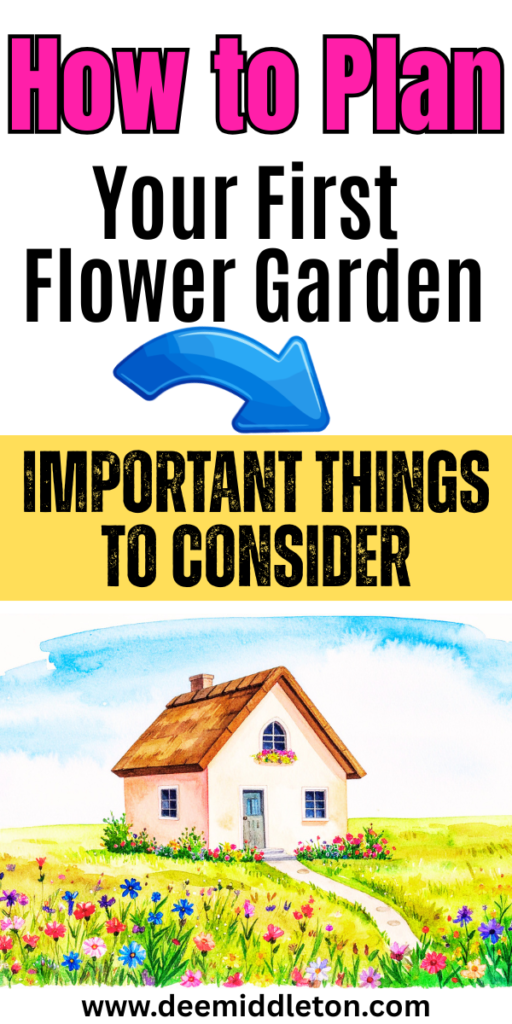
Cottage gardens are informal and overflowing with flowers.
Characteristics include:
- Mixed flower varieties
- Plants growing close together
- A relaxed, natural look
- Bright colors and fragrance
This style is perfect for gardeners who love a full, lush appearance.
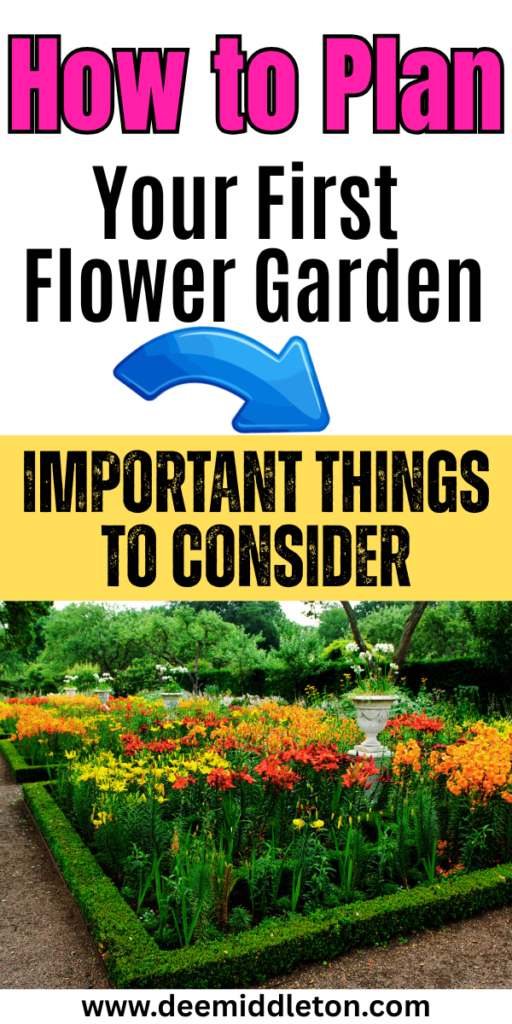
Formal Garden
Formal gardens are carefully structured and symmetrical.
Features often include:
- Straight lines
- Defined garden beds
- Repeating plant patterns
- Trimmed borders or hedges
This style works well in front yards or near entryways.
Wildflower Garden
Wildflower gardens mimic natural meadows.
Benefits include:
- Lower maintenance
- Support for pollinators
- Drought tolerance
- Native plant diversity
They’re ideal if you want a natural-looking landscape.
Step 5: Choose Flowers for Beginners
If this is your first flower garden, start with plants that are easy to grow and forgiving.
Some beginner-friendly flowers include:
Annual Flowers
Annuals complete their entire life cycle in one growing season but often bloom continuously.
Examples include:
- Zinnias
- Marigolds
- Petunias
- Cosmos
- Sunflowers
These flowers provide lots of color throughout the season.
Perennial Flowers
Perennials return year after year once established.
Good beginner perennials include:
- Coneflowers
- Black-eyed Susans
- Daylilies
- Shasta daisies
- Lavender
While they may bloom for shorter periods, they require less replanting.
Step 6: Plan Bloom Times
One of the secrets to a beautiful flower garden is having blooms throughout the entire growing season.
Consider planting flowers that bloom at different times:
Early season flowers
- Tulips
- Daffodils
- Pansies
Mid-season flowers
- Roses
- Lavender
- Coreopsis
Late-season flowers
- Asters
- Sedum
- Chrysanthemums
This layered blooming schedule keeps your garden colorful from spring through fall.
Step 7: Sketch Your Garden Layout
Before planting, it helps to sketch a simple layout of your garden.
You don’t need artistic skills—just outline where plants will go.
Helpful tips include:
- Place tall plants in the back
- Put medium-height plants in the middle
- Keep short plants near the front
- Allow proper spacing between plants
Spacing is important because overcrowded plants compete for nutrients, sunlight, and air circulation.
Step 8: Prepare the Garden Bed
Once your plan is ready, it’s time to prepare the planting area.
Steps include:
- Remove grass and weeds
- Loosen soil with a shovel or garden fork
- Add compost or organic matter
- Rake the soil smooth
- Water lightly before planting
Good soil preparation makes planting much easier and gives your flowers a strong start.
Step 9: Plant Your Flowers
Follow the planting instructions on each plant label or seed packet.
General planting tips:
- Dig a hole about twice as wide as the plant’s root ball
- Place the plant at the same depth it was growing in the container
- Fill soil back around the roots
- Water thoroughly after planting
Mulching around plants helps retain moisture and suppress weeds.
Step 10: Care for Your Garden
Your flower garden will need regular maintenance to stay healthy.
Key care tasks include:
Watering
Most gardens need about 1 inch of water per week.
Deadheading
Removing faded flowers encourages many plants to produce more blooms.
Weeding
Removing weeds prevents competition for nutrients and water.
Fertilizing
Some flowers benefit from occasional feeding during the growing season.
Planning your first flower garden doesn’t need to be complicated. By choosing the right location, preparing your soil, and selecting beginner-friendly flowers, you can create a beautiful garden that thrives.
✅ Tip for New Gardeners: Start small. A garden bed that is 4×8 feet is a perfect size for beginners and much easier to maintain while you learn.
Remember that gardening is a learning process. Each season teaches you something new about your plants, soil, and climate.
With a little planning and care, your first flower garden can quickly become one of the most rewarding parts of your home.
Recent Comments